Look beyond the highlight
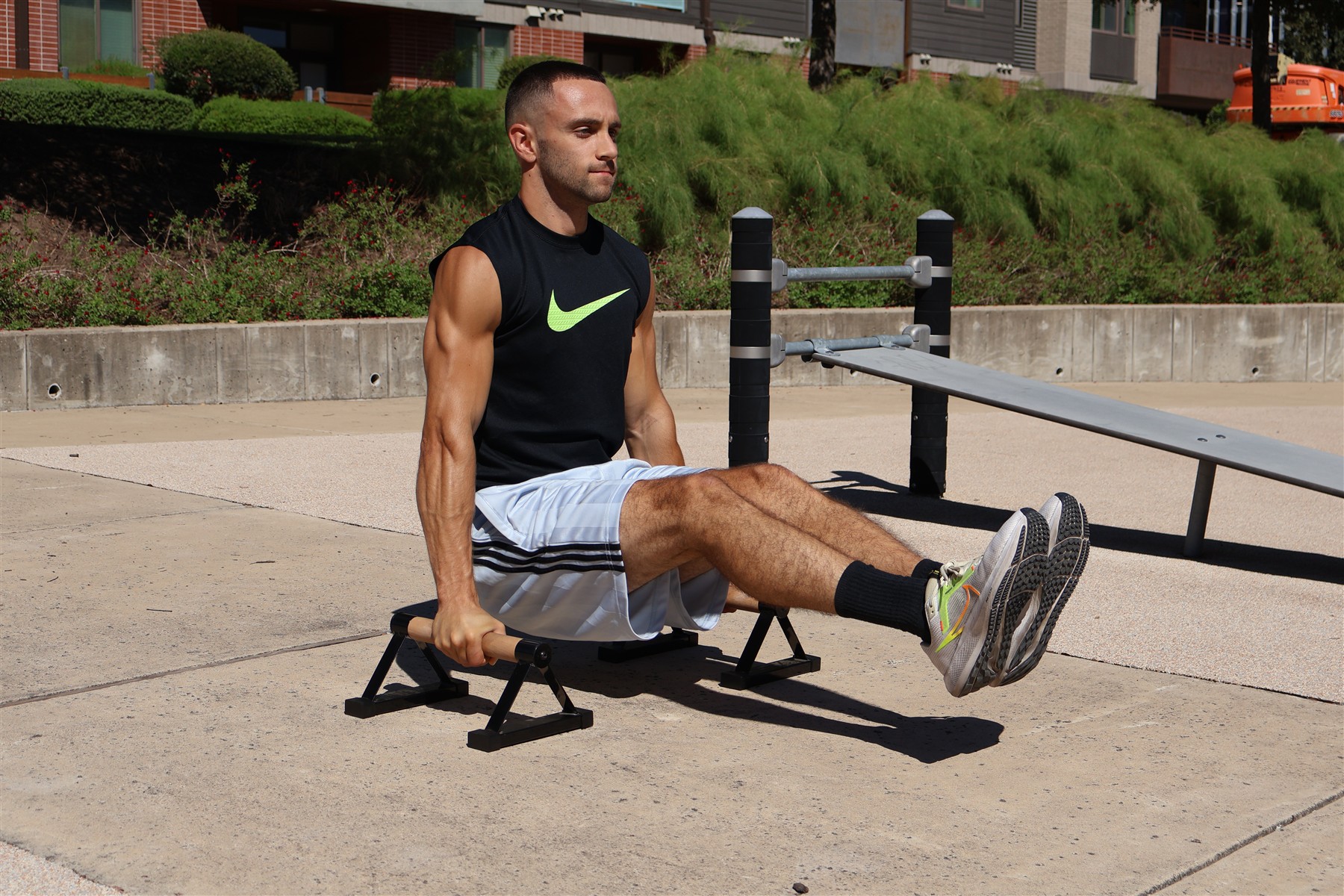
Handstands and L-sits are memorable examples of bodyweight movement. They are also advanced demonstrations, not entry requirements for calisthenics.
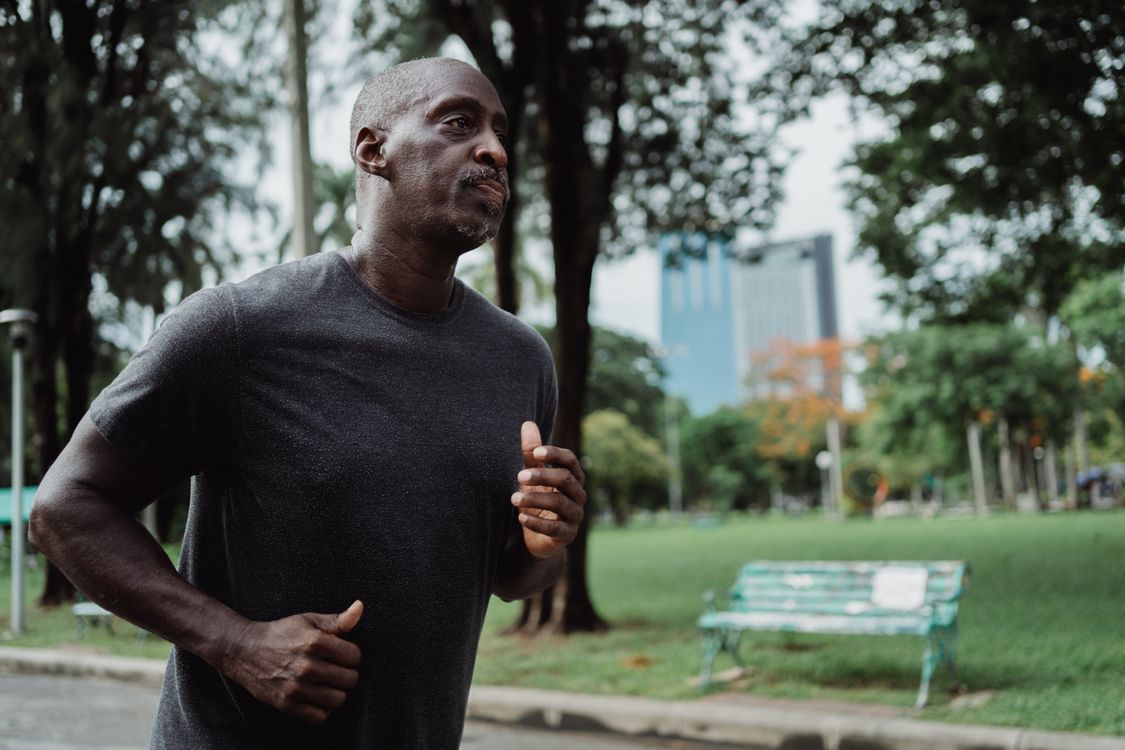
Calisthenics uses bodyweight as resistance. A useful introductory conversation is about the movements you can currently practice with control, the space you have, and the support you need. Your starting point can look very different from a photo in the gallery.
Make the movement fit the person
Discuss exercise variations with your coach instead of choosing a movement only because it looks impressive. The aim is to understand the task and choose an appropriate level of difficulty.
Ask how an exercise fits your plan and what you should practice before moving to a more demanding variation. Clear feedback is more useful than chasing a new skill every week.
- What can I practice with the equipment and space available?
- What does a controlled repetition look like for this movement?
- How will we decide when a different variation makes sense?
Keep the routine enjoyable
NIH guidance encourages choosing activities you enjoy and starting gradually. Those ideas are useful when deciding whether bodyweight training fits your routine.
You can discuss both weight training and calisthenics with Francis. A consultation is a chance to explore the approach, explain your interests, and agree on realistic next steps.